
Tree Removal Service in Wellington Florida
Professional removal services in Wellington, FL help homeowners and property owners safely address hazardous, dead, storm-damaged, and unwanted trees while protecting surrounding structures and landscaping. Wellington Tree Care provides tree service in Wellington with assessments of trunk stability, root systems, tree health, access, and visible storm damage before determining an appropriate removal process. Trained tree experts use controlled methods and specialized equipment based on the tree’s size, condition, and location. Services can also include stump grinding and debris cleanup to leave the work area orderly afterward.
Request a Free Quote
We will get back to you as soon as possible.
Please try again later.
— Overview
Professional Tree Removal for Wellington Properties
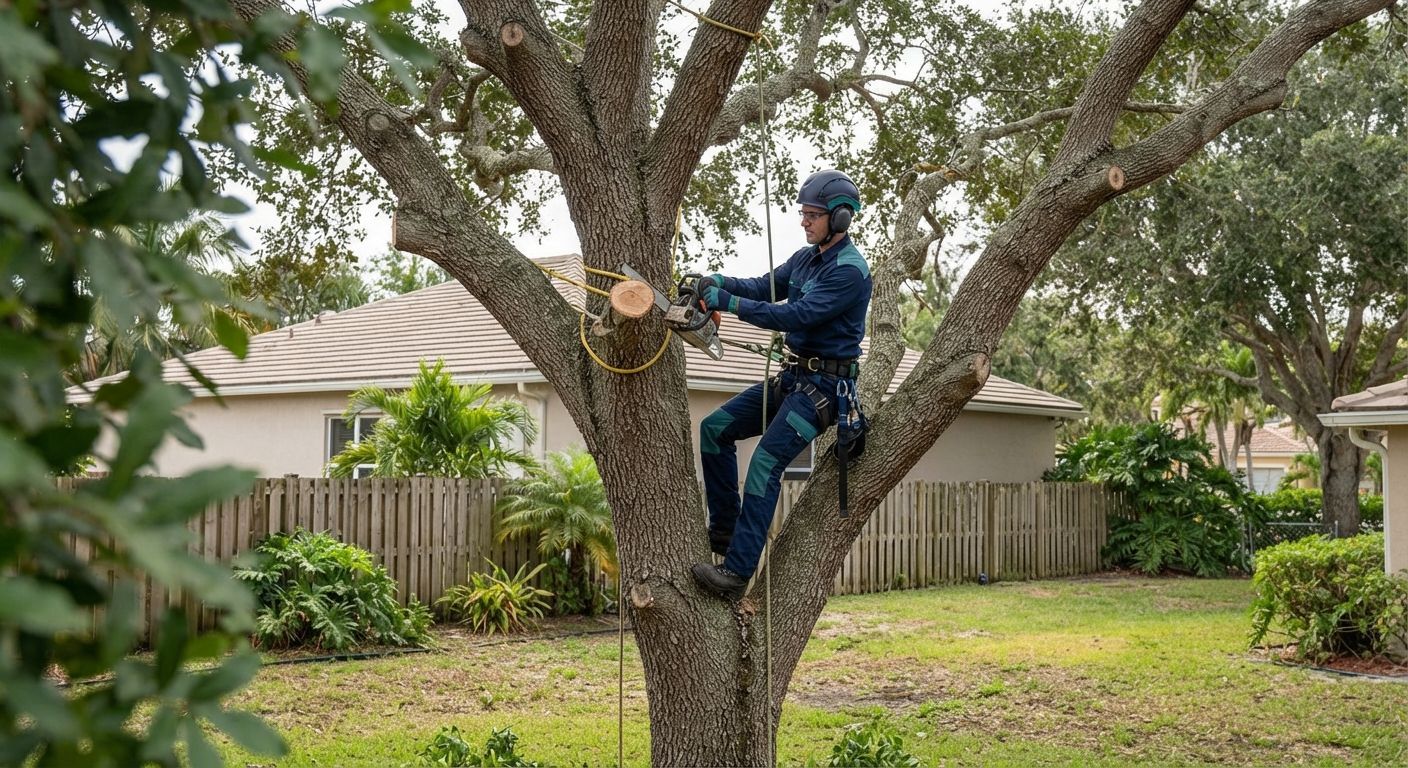
Every project begins with a thorough assessment of the tree’s condition, proximity to structures, and the access required to perform the work safely. Wellington’s warm Florida climate, heavy rainfall, strong winds, and storm season can contribute to weakened limbs, root problems, and structural instability. Hazardous tree removal requires careful planning, including evaluation of the trunk, canopy, root stability, surrounding property, and potential work zones near homes, pools, fences, driveways, and utility lines.
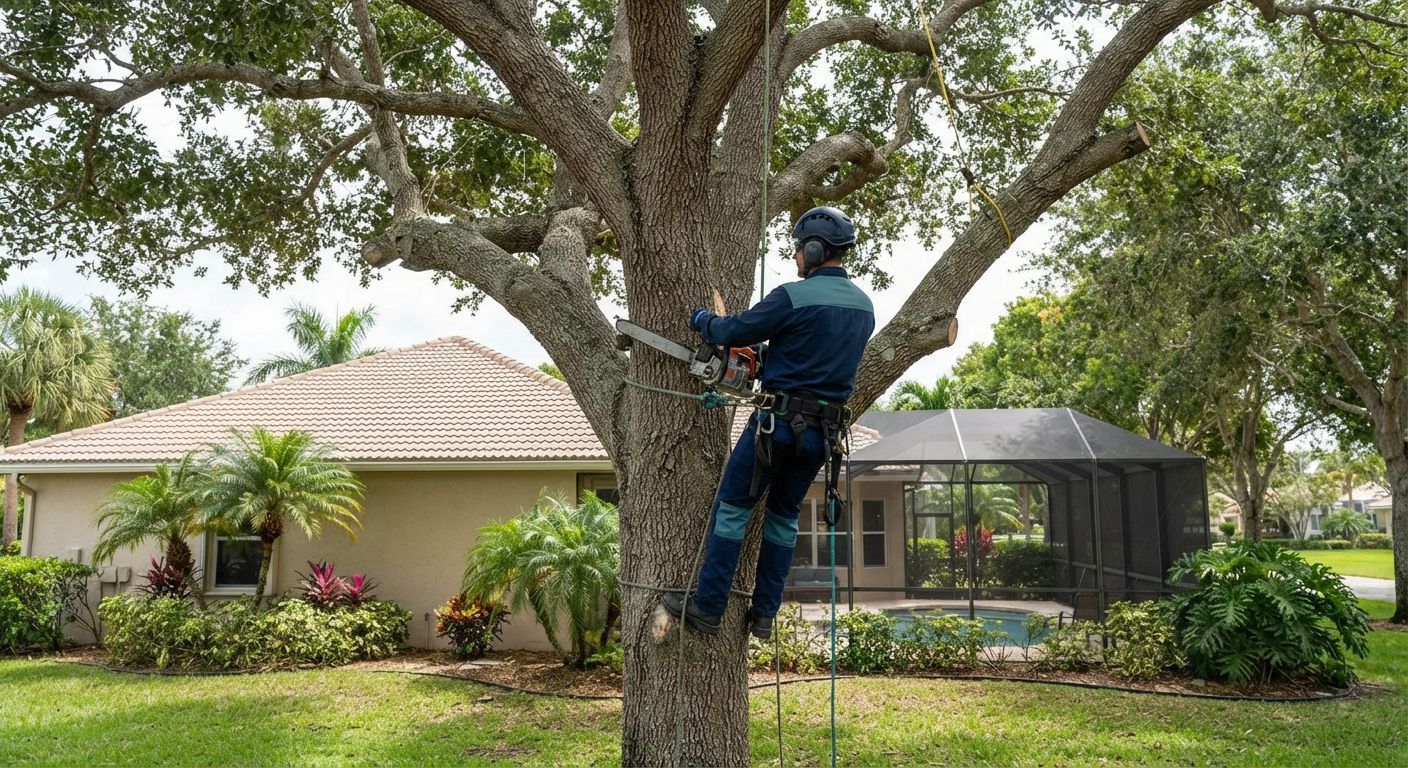
Controlled removal may involve sectional cutting and rigging when trees stand close to structures, landscaping, or other areas requiring additional protection. Residential tree care is approached according to actual site conditions rather than using the same method for every type of tree. Whether removing a storm-damaged tree, palm, or one interfering with a structure, trained specialists focus on safe work practices, controlled cutting, property protection, and an orderly worksite from start to finish.
— Problem
Common Signs
a Tree May Need to Be Removed
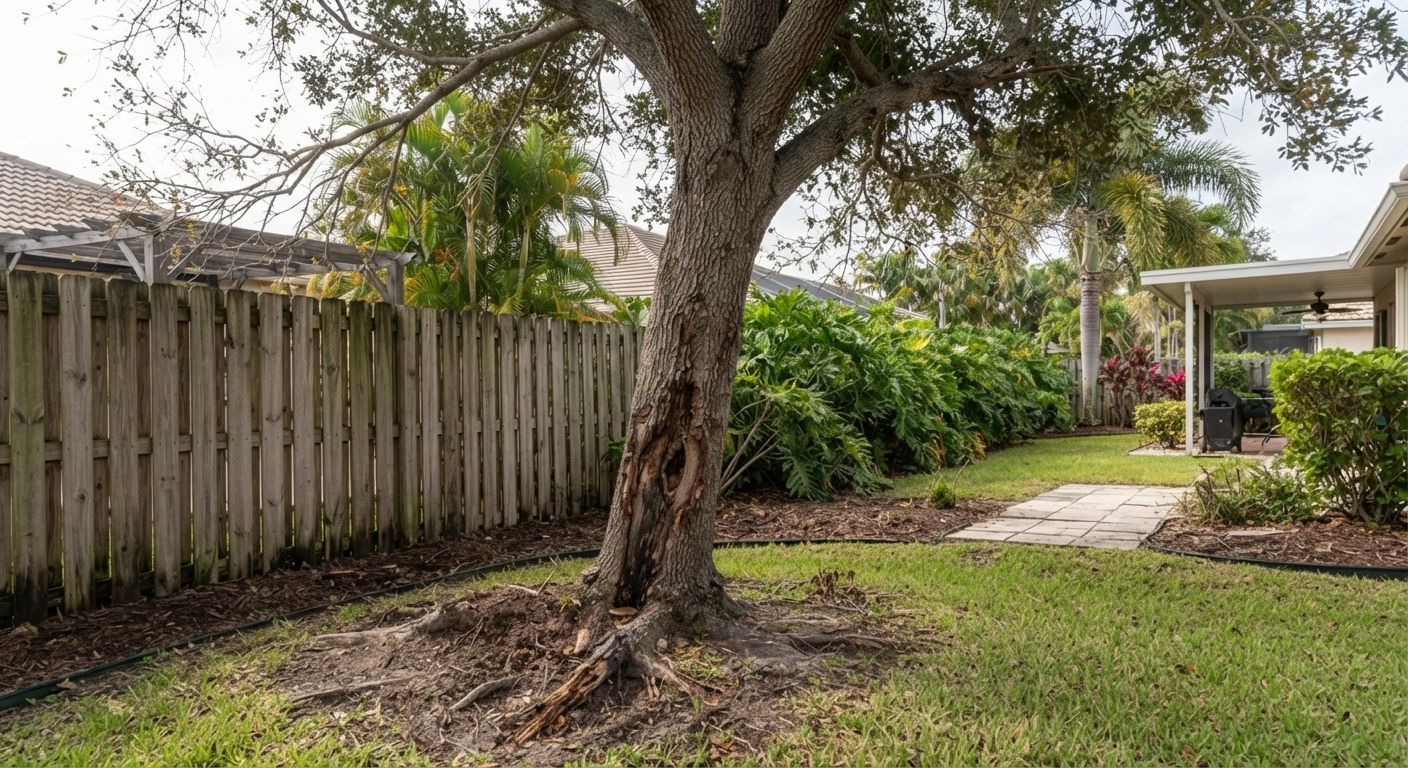
Recognizing signs of serious decline can help a Wellington homeowner address a potentially hazardous tree before conditions worsen. Removal may be appropriate when a tree has extensive deadwood, significant trunk damage, advanced decay, severe root problems, or structural instability that cannot reasonably be corrected through pruning or other tree care. A dead or dying tree with cracked limbs, split trunks, surface roots, or a worsening lean may also require prompt evaluation by an experienced arborist or tree professional.
A tree health and risk assessment considers conditions that may not be obvious from a distance, including cavities, fungal growth, pest activity, canopy decline, root damage, and defects affecting tree structure. Arborists are highly trained to evaluate tree conditions along with location and potential hazards below. The findings help determine whether to prune, perform routine maintenance, monitor the condition, or remove the tree from your property.
— How it works
How We Safely Remove Trees
A careful, controlled process designed to remove trees safely while protecting surrounding property.
Site Planning
Assess tree size, condition, location, nearby structures, property access, and surrounding hazards before removal work begins on the specific property site.
Tree Assessment
Evaluate the trunk, canopy, roots, branch structure, visible decay, lean direction, and other structural concerns carefully before determining the removal approach.
Controlled Removal
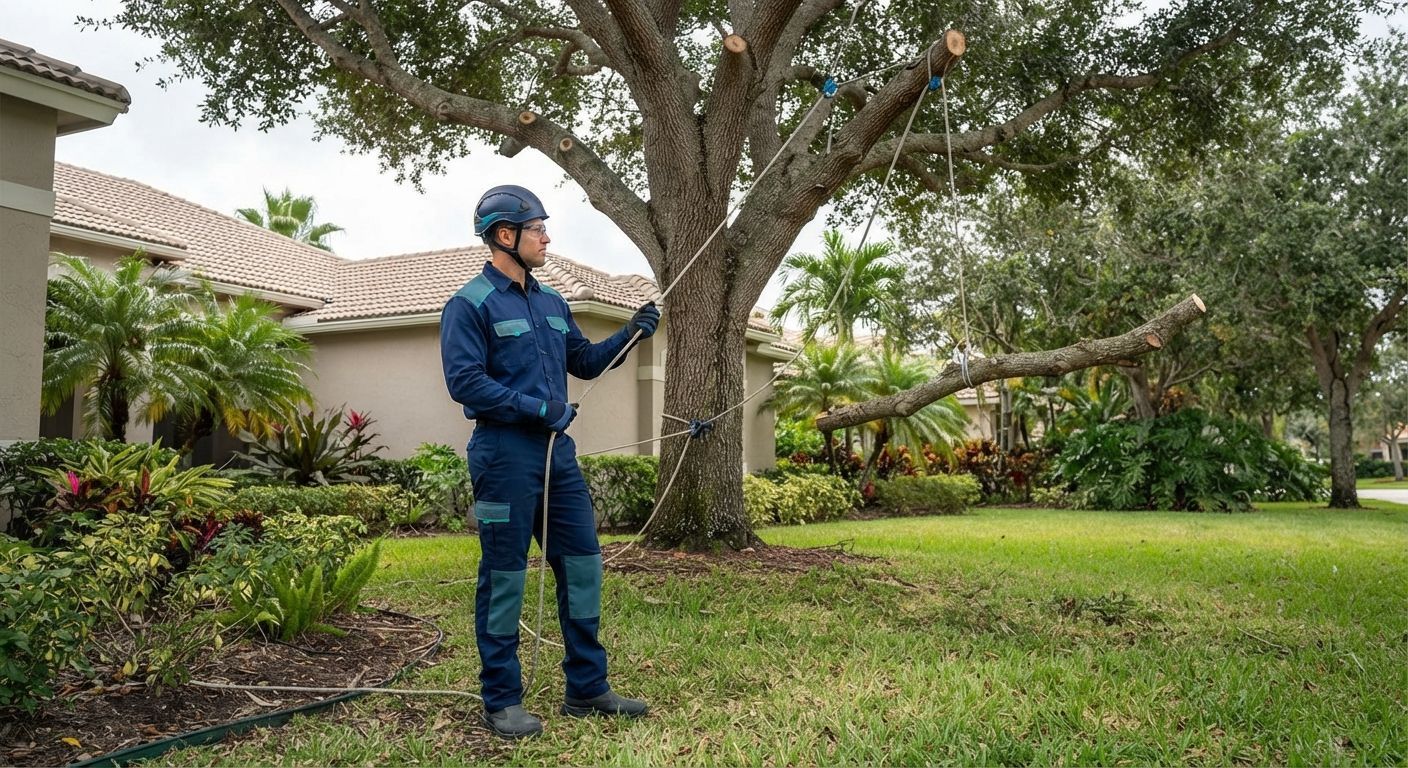
Use sectional cutting, professional rigging, and controlled methods to safely manage branches and heavy trunk sections throughout the entire removal process carefully.
Property Protection
Use appropriate safety equipment and protective methods to reduce risks to nearby structures, landscaping, and surrounding areas during each stage of removal.
— Cost
What Factors Affect Tree Removal Work Cost?
Tree removal costs can vary significantly because every tree and property presents different conditions. Tree height, trunk diameter, canopy size, species, structural condition, location, and accessibility can all influence the labor, equipment, and removal methods required. Trees located near homes, fences, pools, landscaping, driveways, or utility lines may also require additional preparation and more controlled techniques.
Site conditions, debris volume, cleanup requirements, and optional stump grinding or stump removal can further affect the overall project scope. A professional on-site assessment allows these factors to be evaluated before work begins, helping Wellington property owners receive an estimate based on the specific tree, property conditions, and removal requirements involved.
Hidden Fees
$0
Cost Factors Reviewed
4+
Tree Size
Height, trunk diameter, canopy size, species, and condition can affect removal costs.
Tree Condition
Decay, damage, lean, and structural weakness can increase removal complexity.
Site Access
Limited access and nearby structures may require more controlled removal methods.
Project Scope
Cleanup, debris volume, and stump work can affect overall project cost.
— Wellington Tree Care
Why Choose Our Safe Tree Removal Team?
Experience, planning, and safety practices are important when you need to remove trees around homes and other property features. Wellington Tree Care is a local tree company with trained tree professionals who evaluate how local weather conditions, tree health, site access, and structural concerns may affect each project. Before work begins, surrounding buildings, fences, landscaping, driveways, pools, and other potential obstacles are considered as part of the service plan.
Our tree care specialists follow professional standards and use appropriate cutting, climbing, and rigging equipment for the project. Sectional removal, controlled lowering techniques, and careful debris handling may be used where space is limited or additional property protection is necessary. Clear communication throughout the project helps property owners understand the planned work, equipment requirements, cleanup expectations, and important site considerations.
— FAQs
Frequently Asked Questions About Tree Removal in Wellington Florida
Helpful answers to common questions about professional tree removal in Wellington.
How do I know when a tree needs to be removed?
Cracked trunks, large dead limbs, extensive decay, fungal growth, damaged root systems, recurring branch failure, or a worsening lean can indicate structural or tree health concerns. An arborist or trained tree expert can evaluate the trunk, canopy, roots, and surrounding property before recommending removal. Depending on the tree’s condition, tree trimming services, pruning, monitoring, maintenance, or other expert care may be appropriate instead of taking down the entire tree.
How much does tree removal cost in Wellington?
Costs vary based on the tree’s size, height, condition, location, accessibility, and specialized equipment requirements. Trees near homes, pools, fences, landscaping, power lines, or other obstacles may require additional planning and controlled techniques. Stump grinding and debris removal can also affect the scope. An on-site assessment provides a more accurate estimate based on actual property conditions.
Can a large tree be safely removed near a home?
Large trees near homes can often be removed using controlled methods such as sectional cutting and rigging. Tree professionals first assess the tree’s lean, trunk condition, canopy, available work area, and surrounding structures. Professional equipment and careful sequencing help manage branches and trunk sections safely. Trees involving power lines or utility lines require coordination with the appropriate utility or qualified line-clearance professionals.
Does Florida storm damage mean a tree needs to be removed?
Not every storm-damaged tree requires complete removal. After strong winds and heavy rainfall, trees may develop broken limbs, split trunks, exposed roots, or increased leaning. A professional tree health assessment can determine whether pruning, deadwood removal, monitoring, or taking down the tree is appropriate. Wellington homeowners should keep people and vehicles away from visibly unstable trees until the damage has been professionally evaluated.
What happens to the debris and stump after tree removal?
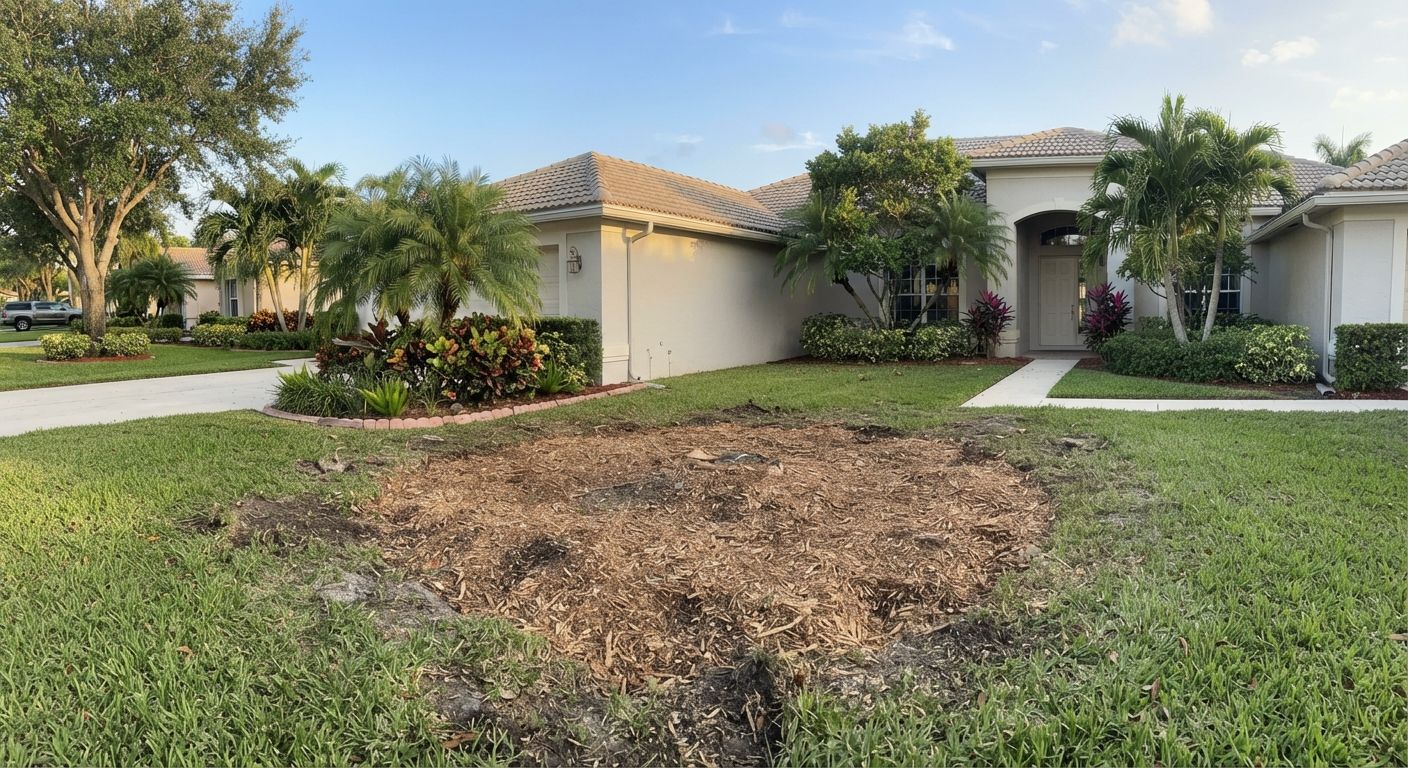
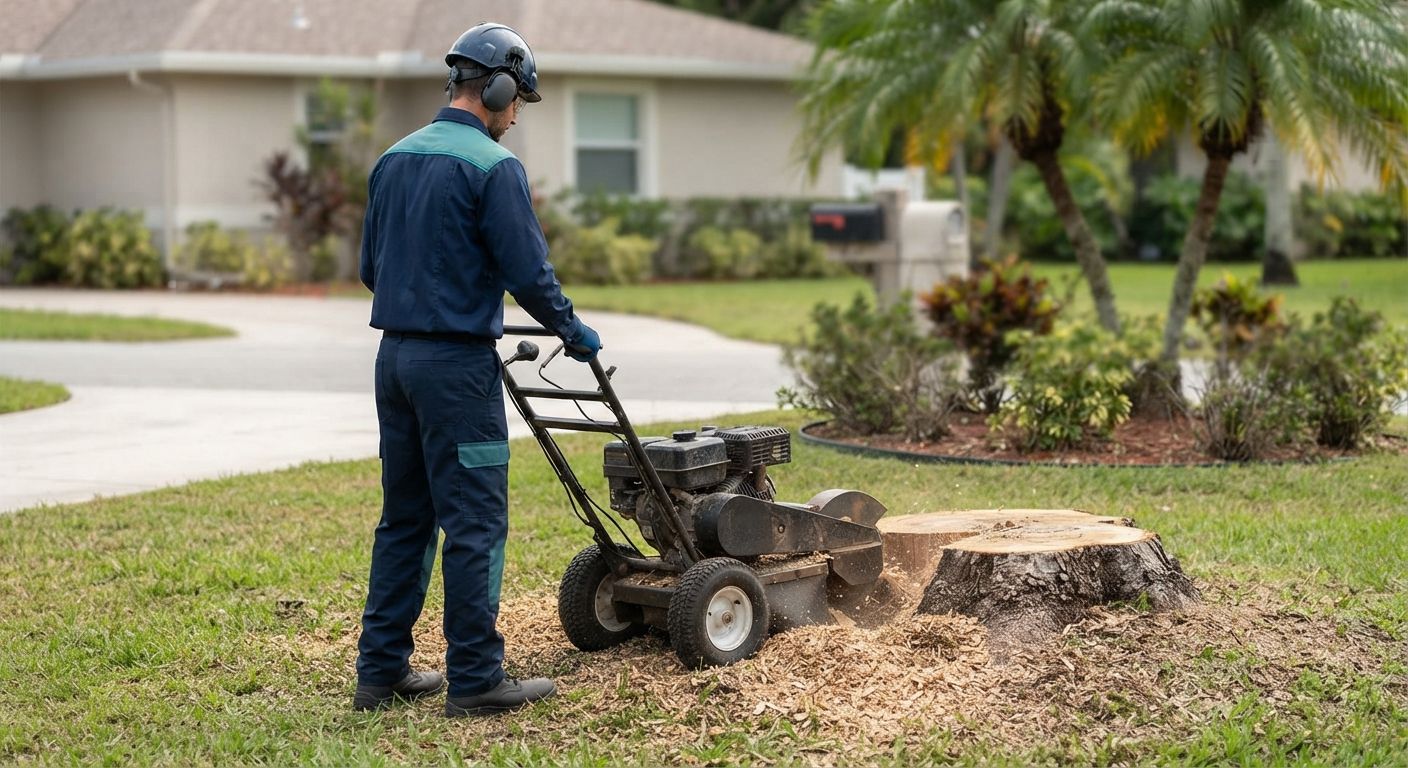
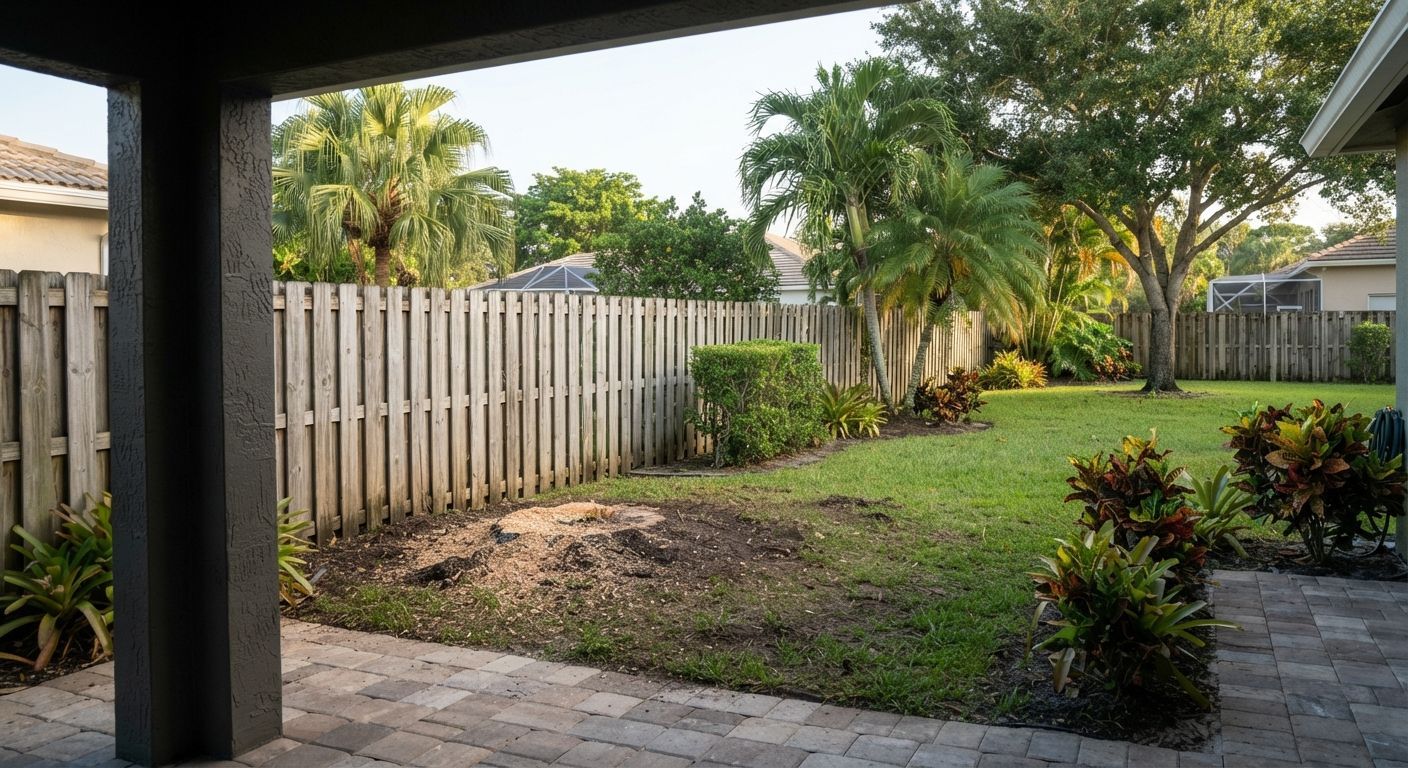
Branches, trunk sections, leaves, palm material, and other debris can be collected and removed according to the agreed project scope. If stump grinding is included, specialized equipment reduces the remaining stump below the surrounding surface. Cleanup requirements depend on the type of tree, stump size, property access, and how the homeowner plans to use the area afterward, including future landscaping or tree planting.
— Wellington Tree Care
Request a
Tree Removal Service Estimate
If you notice a leaning trunk, significant deadwood, a dying tree, storm damage, structural decline, or an unwanted tree on your Wellington property, a professional assessment can help determine the appropriate next step. Wellington Tree Care evaluates tree condition, surrounding structures, site access, and potential hazards before determining whether removal, pruning, or continued tree maintenance is suitable.
Property owners receive an explanation of the proposed tree work, equipment considerations, debris cleanup requirements, and factors affecting the project scope before work begins. For trees presenting urgent hazards after severe weather, emergency tree services may also be appropriate. Contact Wellington Tree Care at 561-556-8791 to discuss your needs and request an assessment for your property.